🎬 11 Curated Educational Videos
Equine Health Educational Videos
Curated educational videos from experienced equine professionals — organized by topic to supplement the written guides throughout this site. All videos are educational and do not replace veterinary care.
Educational use only. These videos are curated from YouTube and are presented for educational purposes. They do not constitute veterinary advice. Always consult a licensed equine veterinarian for any health concern affecting your horse. Content is provided by the video creators and is not produced by HorseVeterinarian.AI or Bridle & Bit Magazine.
🚨 Emergency & Lameness
First aid, lameness exams, and emergency preparedness — videos every horse owner should watch before needing them.
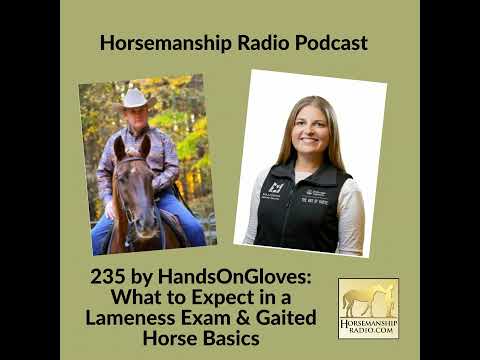
235 by HandsOnGloves: What to Expect in a Lameness Exam & Gaited Horse Basics
Monty Roberts
Play it Safe in Emergency Situations
Julie Goodnight
Julie Goodnight: Redmond First Aid Help
Julie Goodnight
✅ Preventive Care
Vaccinations, deworming strategy, and annual wellness — the proactive health management programs that prevent the most common equine health crises.
Proactive Horse Care: Your Annual Health Checklist
Julie Goodnight
Giving a Foal Their First Vaccinations
Warwick Schiller
160: Phillip Ralls & Healthy Parasite Control by Monty Roberts University
Monty Roberts
🏥 Conditions & Management
Educational context for specific conditions and management challenges — supplements the written guides throughout this site.
150: Pain Treating Laminitis and Sable Island Horses by Omega Fields
Monty Roberts
139 Famous Female Jockey & Getty on Ulcers by Omega Fields
Monty Roberts
Julie Goodnight: Quick Tip to keep your young horse's joints healthy
Julie Goodnight
Rehabilitating a Fearful Horse
Pat & Deb Puckett
223 by HandsOnGloves: Monty on an Equine Dynasty & Respiratory Health in Horses
Monty Roberts
Continue Learning